
The New Canon: 25 Whiskies That Defined the Last 25 Years
From Yamazaki's global takeover to the craft bourbon revolution, these 25 whiskies defined the modern spirits boom. Your essential collector's guide to investment-grade bottles with substance.
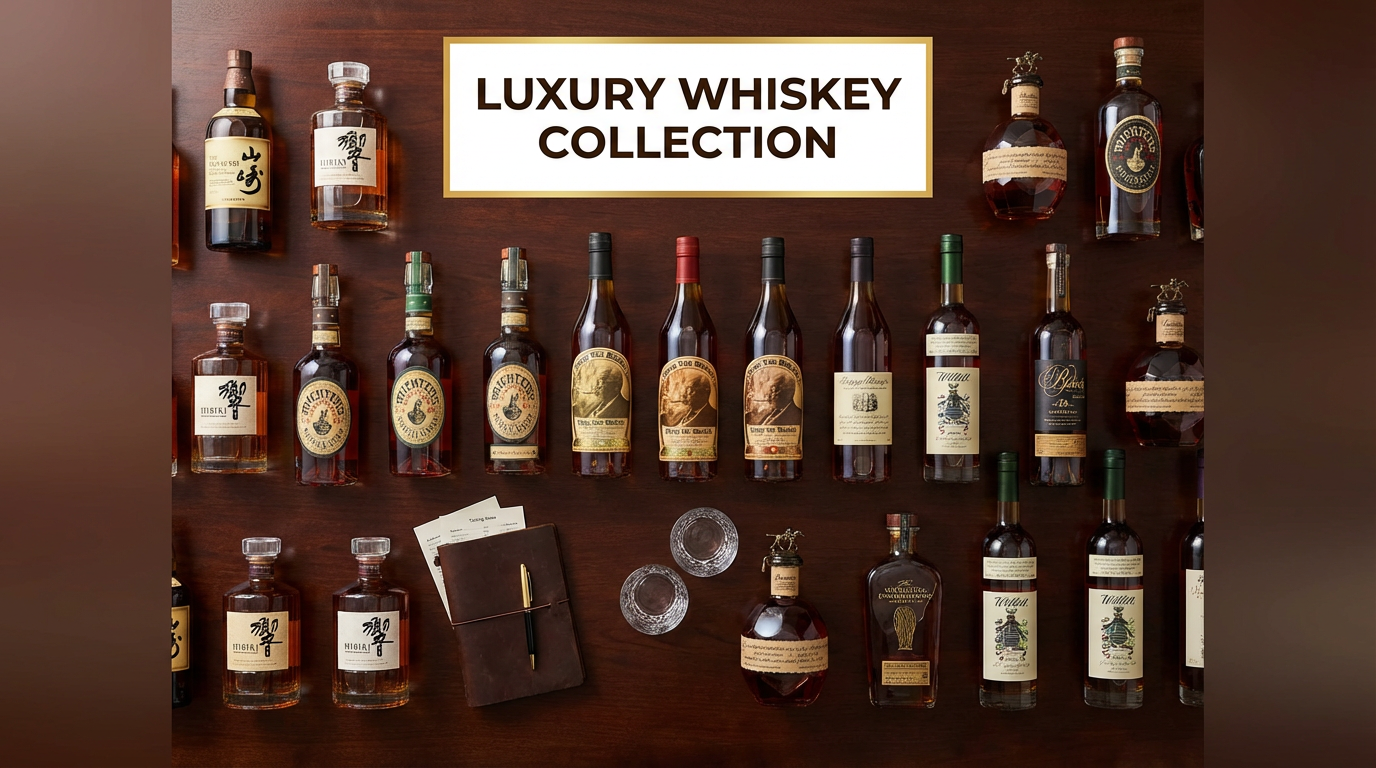
Listen, while everyone's out here losing their minds over the latest hyped drop that'll be forgotten by next quarter, the real flex is knowing your history. Because here's the thing: the modern whisky boom didn't just happen. It was built bottle by bottle, innovation by innovation, over the last quarter century. This is your ultimate checklist for building a backbar with actual substance.
The Japanese Revolution: When the East Shook the West
Let's start where the seismic shift happened. In 2015, Jim Murray's Whisky Bible named Yamazaki Single Malt Sherry Cask 2013 the World Whisky of the Year, scoring it an unprecedented 97.5 out of 100. This wasn't just an award; it was a cultural earthquake. For the first time in the Bible's 12-year history, a Japanese whisky topped the list, and the entire industry had to reckon with the fact that Japan wasn't playing around anymore.
Yamazaki 18 Year Old became the poster child for this movement. Reviewers consistently praise its captivating darkness balanced with brighter notes, featuring dried red fruits, tropical banana, and Mizunara oak spice. One taster called the nose "quite intoxicating, I could smell this for days." Ratings range from solid to exceptional, but the consensus is clear: this is world-class liquid.
Hibiki 21 Year Old and Nikka Coffey Grain Whisky rounded out Japan's triple threat. Hibiki brought blending artistry to new heights, while Nikka's Coffey series proved that grain whisky could be just as compelling as malt. These bottles didn't just win awards; they sparked a global hunt that continues to this day.
The Craft Bourbon Revolution: America Gets Its Groove Back
While Scotland slept on its laurels and Japan made its move, American craft distillers were quietly rewriting the bourbon playbook. The last 25 years saw an explosion of innovation: barrel-proof releases, experimental finishes, and radical transparency about sourcing and mash bills.
Pappy Van Winkle Family Reserve 15 Year became the unicorn everyone chased. Its cult status isn't just hype; it's a combination of scarcity, heritage, and legitimately exceptional wheated bourbon that drinks like liquid velvet.
Buffalo Trace Antique Collection, particularly George T. Stagg and William Larue Weller, redefined what barrel-proof bourbon could be. These annual releases became appointment bottles, with enthusiasts camping out for a chance to score one. Breaking Bourbon's 2025 awards continue to highlight the Antique Collection's dominance in American whiskey.
Booker's Bourbon pioneered the small-batch, barrel-proof movement that every craft distiller now emulates. Old Forester Birthday Bourbon turned annual releases into events. And don't sleep on Four Roses Limited Edition Small Batch, which proved that high-rye bourbon could compete with the wheated giants.
The craft movement also gave us Balcones Texas Single Malt and Westland American Single Malt, proving that American whiskey didn't need to be bourbon or rye to matter. These distillers embraced local terroir and innovative maturation, creating distinctly American expressions that stand toe-to-toe with Scottish single malts.
The Scottish Renaissance: Old Dogs, New Tricks
Scotland didn't sit idle. The last 25 years saw closed distilleries become legend and established names push boundaries.
Brora releases from the shuttered Highland distillery became investment-grade liquid gold. Whiskybase's Top 1000 consistently features rare Brora bottlings, with collectors paying eye-watering sums for a taste of history.
Ardbeg Uigeadail brought sherry-cask peat to the masses, while Lagavulin 16 remained the gold standard for Islay smoke. Macallan Sherry Oak 18 Year defined luxury Scotch for a generation, even as prices climbed into the stratosphere.
Balvenie DoubleWood 17 Year and Glenfiddich 21 Year Gran Reserva showcased the power of finishing and extended maturation. These bottles proved that innovation didn't mean abandoning tradition; it meant building on it.
The Irish Comeback: More Than Just Jameson
Redbreast 12 Year Cask Strength led Ireland's charge back to relevance. Single pot still whiskey, once nearly extinct, became a category that serious collectors couldn't ignore. The full-bodied spice and fruit-forward profile offered something distinct from Scotland's malts and America's bourbons.
The Rare and the Revered: Investment-Grade Bottles
Karuizawa Single Cask releases from Japan's closed distillery became the holy grail for collectors. These bottles regularly appear in top-rated lists, with auction prices that make even seasoned investors blink.
Diageo Special Releases, particularly annual expressions from Port Ellen and other closed distilleries, turned limited editions into financial instruments. Willett Family Estate bourbon, especially the older single barrels, proved that American whiskey could appreciate just as dramatically as Scotch.
The Modern Classics: Accessible Excellence
Not every great whisky costs four figures. Michter's 10 Year Bourbon delivers complexity and age at a (relatively) reasonable price. Glendronach releases post-2002 revival brought sherried Scotch back to form. Springbank 10 Year remained the thinking person's single malt, offering Campbeltown funk and traditional production methods.
Why This Matters Now
Here's the truth: the whisky landscape in 2025 is defined by what happened over the last 25 years. Japanese distillers forced everyone to raise their game. Craft bourbon proved that innovation and tradition could coexist. Scottish distillers learned that scarcity and storytelling matter as much as liquid quality. And collectors discovered that whisky could be both a passion and an investment.
The bottles on this list aren't just shopping targets. They're chapters in the story of how whisky became the most dynamic spirits category on the planet. Some you can still find on shelves. Others require auction houses and deep pockets. But every single one represents a moment when the industry shifted, when someone took a risk, when drinkers' expectations were exceeded.
Innovation continues in 2025, with new releases pushing boundaries in finishing, proof, and provenance. But the foundation was laid by these 25 bottles. Know them. Understand why they matter. And when you finally get to taste them, you'll appreciate not just the liquid, but the history in your glass.
The new canon isn't about chasing hype. It's about respecting the bottles that earned their place through quality, innovation, and cultural impact. Build your collection with intention. Study the classics. And remember: the best backbar tells a story, not just a price tag.